Communal Area Cleaning: Creating Safer, Healthier, and More Welcoming Shared Spaces
Why Communal Area Cleaning Matters
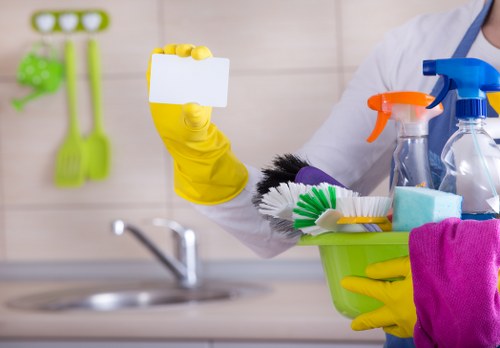
Communal area cleaning plays a vital role in maintaining the appearance, safety, and comfort of shared environments. Whether it is a residential block, apartment complex, office building, student accommodation, or mixed-use property, clean communal spaces create a positive first impression and support everyday wellbeing.
These areas are often used by many people throughout the day, which means dirt, dust, germs, footprints, litter, and general wear can build up quickly. Without regular communal area cleaning, shared spaces can begin to look neglected and may even become unpleasant or unsafe for residents, visitors, and staff.
From entrance lobbies to stairwells, lifts, hallways, and shared kitchens, every part of a communal setting needs attention. A structured cleaning routine helps ensure that these places remain hygienic, presentable, and functional. It also contributes to a sense of pride and care within the property.
What Communal Area Cleaning Includes
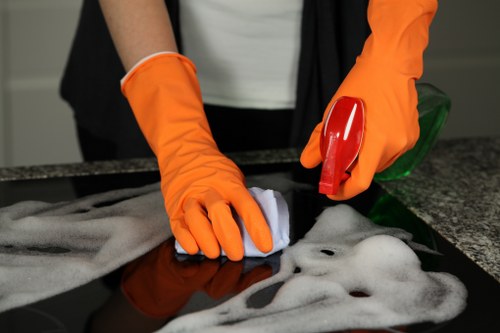
Communal area cleaning covers all shared zones in a property that are accessed by multiple people. The exact scope depends on the building type, occupancy level, and management expectations, but most cleaning plans include several core tasks.
Typical communal cleaning services may involve:
- Dusting and wiping handrails, ledges, and surfaces
- Vacuuming carpets and mats in hallways and entrances
- Mopping hard floors and removing spills
- Cleaning lifts, buttons, mirrors, and doors
- Wiping skirting boards, doors, and light switches
- Emptying bins and removing waste
- Cleaning internal windows and glass panels
- Removing cobwebs and visible debris
Some properties also require deep communal area cleaning, such as periodic steam cleaning, pressure washing, or sanitising high-touch surfaces. In larger buildings, cleaning teams may also manage external shared spaces like bin stores, bike shelters, and entrance paths.
Benefits of Regular Communal Area Cleaning
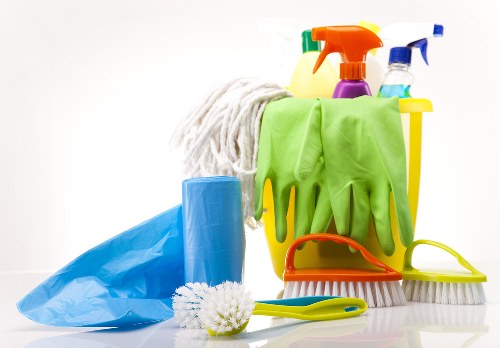
There are many reasons why communal area cleaning should be treated as an essential service rather than an optional extra. Clean shared spaces deliver practical, visual, and social benefits that improve the experience of everyone in the building.
First, regular cleaning helps reduce the spread of germs and bacteria. High-touch points such as door handles, lift buttons, intercoms, and bannisters can quickly become contaminated. A consistent cleaning schedule supports better hygiene and helps lower the risk of illness spreading between occupants.
Second, well-maintained communal areas improve property value and curb appeal. When prospective tenants, buyers, clients, or guests enter a building, the shared spaces shape their first impression. A fresh, tidy lobby and clean hallway suggest responsible management and a property that is cared for properly.
Additional benefits include:
- Improved safety through the removal of trip hazards and spills
- Longer lifespan for flooring, fittings, and fixtures
- Reduced odours in bins, corridors, and entrances
- Better resident satisfaction and morale
- Fewer pest problems caused by waste or neglected areas
Key Areas to Focus on in Communal Area Cleaning

Effective communal area cleaning requires attention to detail. Every building has different needs, but there are several areas that almost always deserve priority. Ignoring these zones can make the entire property feel less tidy, even if the rest of the building is clean.
Entrances and lobbies are some of the most visible areas and often collect dirt from shoes, rain, and outdoor debris. These spaces should be regularly swept, vacuumed, and wiped down to keep them looking professional and welcoming. Glass doors and reception surfaces should also be polished frequently.
Stairwells and corridors see heavy foot traffic and can accumulate dust, fingerprints, litter, and marks on the walls. These areas need consistent cleaning to maintain safety and presentation. Handrails, skirting boards, and corners are especially important, as they often collect grime.
Other important communal zones
- Lifts: Buttons, mirrors, walls, and floors should be cleaned and sanitised
- Mail areas: Parcel shelves, postboxes, and shared counters should be dust-free
- Bin rooms: Waste areas need deodorising, disinfecting, and litter removal
- Shared kitchens: Countertops, sinks, and appliance handles require hygienic cleaning
- Washrooms: Toilets, basins, and touchpoints need frequent disinfection
In many buildings, communal cleaning services also extend to external access points, such as steps, door frames, and paved walkways. These spaces are often overlooked but can strongly affect the overall appearance of the property.
How a Professional Communal Area Cleaning Service Works

A professional communal area cleaning service is usually planned around the specific needs of the building. The process often starts with a site assessment to identify the size of the property, the level of traffic, the surfaces involved, and any problem areas requiring more frequent attention.
Once the assessment is complete, a tailored cleaning schedule is created. This schedule may include daily, weekly, or monthly tasks depending on the usage of the shared areas. High-traffic buildings often need more frequent visits, while smaller properties may be maintained with less regular cleaning but greater attention to detail.
The cleaning team then follows a checklist to ensure consistency. This can include dusting, vacuuming, mopping, disinfecting, waste removal, spot-cleaning marks, and checking for issues such as damage, leaks, or blocked vents. In many cases, cleaners also report maintenance concerns to the property manager, helping small issues get resolved before they become major problems.
Choosing the Right Cleaning Schedule
One of the most important parts of effective communal area cleaning is choosing the right schedule. Not every property requires the same frequency, and the wrong schedule can leave areas looking tired or waste resources on unnecessary visits.
For example, apartment buildings with many residents and visitors may benefit from daily cleaning of entrances, lifts, and corridors. Smaller blocks might only need several visits per week. Commercial properties may need a combination of daytime and evening cleaning depending on business hours and traffic flow.
To choose the best schedule, it helps to consider the following:
- How many people use the communal areas each day
- Which areas experience the most foot traffic
- Whether there are vulnerable residents or hygiene concerns
- If the property has carpet, hard flooring, or mixed surfaces
- Whether external spaces also require maintenance
Regular reviews are essential because building use can change over time. A once-quiet property may become busier, or seasonal weather may increase dirt entering the building. Adjusting the cleaning plan keeps communal area cleaning efficient and effective.
Communal Area Cleaning and Health Standards
Communal area cleaning is closely linked to hygiene standards, especially in buildings where many people share the same surfaces. In today’s environment, residents and tenants expect common areas to be kept sanitary and visibly clean. This is particularly important in settings such as care facilities, offices, and student housing.
High-touch surfaces should be cleaned carefully and regularly. These include lift buttons, railings, door handles, push plates, and intercom systems. Using appropriate cleaning products helps remove dirt while supporting infection control and preventing surface damage.
It is also important to choose products and methods that suit the building. Some materials need gentle cleaners, while others may require disinfectants or specialist treatments. A professional approach ensures that communal area cleaning supports both hygiene and preservation of the property’s finishes.
Good hygiene practices may include:
- Colour-coded cleaning tools to reduce cross-contamination
- Microfibre cloths for efficient dust and dirt removal
- Approved disinfectants for shared touchpoints
- Separate waste handling procedures for bin rooms and washrooms
- Routine checks for odours, stains, and spillages
Improving Resident Experience Through Clean Shared Spaces
For residential buildings, communal area cleaning affects more than appearance. It influences how people feel about the property they live in. Clean corridors, tidy entrances, and fresh-smelling stairwells help residents feel that their home environment is respected and well managed.
A neglected communal space can create frustration, reduce satisfaction, and even lead to complaints. Residents may feel that the building is unsafe or poorly maintained, especially if rubbish, stains, or unpleasant odours are left unaddressed. On the other hand, regular cleaning helps build trust between residents, landlords, and managing agents.
Small details matter. A polished handrail, a clean lift mirror, or a dust-free windowsill can change the entire atmosphere of a shared area. These touches send a clear message: the property is being looked after, and the people who use it matter.
Communal Area Cleaning for Commercial Properties
Although many people associate communal area cleaning with apartment blocks, it is equally important in commercial environments. Offices, business centres, medical buildings, retail developments, and public-facing premises all rely on clean shared areas to function well.
In commercial settings, cleanliness can influence productivity, professionalism, and client confidence. Reception areas, corridors, meeting room access points, shared kitchens, and washrooms all contribute to the overall image of the business. A clean environment suggests efficiency and attention to detail.
Commercial communal cleaning often needs to be flexible. Cleaning may take place early in the morning, after business hours, or in between shifts to avoid disturbing operations. The service must be consistent, discreet, and adapted to the building’s working pattern.
Commercial priorities often include:
- Reception presentation
- Washroom hygiene
- Kitchen cleanliness
- Meeting area access routes
- Lift and lobby appearance
Common Challenges in Communal Area Cleaning
While communal area cleaning may sound straightforward, it comes with a number of practical challenges. Shared buildings often experience inconsistent usage, meaning some areas become dirty much faster than others. Weather, tenant behaviour, and building design all play a role.
One common challenge is high foot traffic. Busy entrances and corridors can accumulate dirt rapidly, especially during wet or muddy weather. Another issue is waste management. Overflowing bins, abandoned items, and improper rubbish disposal can create hygiene problems and attract pests.
Cleaning teams also need to deal with access restrictions, varied surface types, and resident expectations. Good communication between cleaners, property managers, and occupants helps solve many of these issues before they escalate.
Frequent problems include:
- Repeated spillages in hallways or lobbies
- Fingerprints on glass and doors
- Odours from waste areas
- Dust build-up in corners or on ledges
- Damage to flooring or walls requiring separate maintenance
What Makes a Communal Cleaning Service Effective?
An effective communal area cleaning service depends on consistency, attention to detail, and communication. It is not just about cleaning visible dirt; it is about understanding how the building is used and responding to its specific needs.
Reliable cleaners follow a set schedule and complete tasks thoroughly each time. They use the right equipment for the surfaces being cleaned and adapt when new issues arise. Just as importantly, they keep records of work completed so property managers can monitor standards and spot recurring problems.
Professionalism also matters. Cleaners should be punctual, discreet, and respectful of residents or occupants. Since communal areas are shared by many people, the service should be designed to minimise disruption while keeping the environment consistently presentable.
Effective services usually include:- Clear cleaning checklists
- Flexible scheduling
- Trained staff
- Suitable cleaning materials
- Ongoing quality checks
Seasonal Considerations for Communal Area Cleaning
Communal area cleaning needs can change throughout the year. Seasonal shifts affect the amount of dirt entering a building, the type of debris found in shared spaces, and how often floors and surfaces need attention.
In autumn and winter, rain, mud, leaves, and salt from outdoor walkways can quickly make entrances messy. More frequent sweeping and mopping may be needed to keep floors safe and slip-free. In spring and summer, dust, pollen, and increased ventilation can create different cleaning demands.
Adapting the cleaning plan to the season helps maintain a consistently high standard. It also ensures that cleaning teams focus on the areas that are most likely to become dirty at any given time, making the service more efficient overall.
The Role of Property Managers and Residents
While a professional service handles the day-to-day tasks, good communal area cleaning also depends on cooperation from property managers and residents. Clear expectations make it easier to maintain shared spaces and prevent avoidable mess.
Property managers can support the process by setting schedules, reporting maintenance issues, and ensuring cleaners have access to all necessary areas. Residents and occupants can help by disposing of waste properly, avoiding clutter in hallways, and reporting spills or damage promptly.
When everyone plays a part, communal spaces stay cleaner for longer. This shared responsibility can significantly improve the appearance and function of the building, while also reducing unnecessary cleaning problems.
Why Professional Equipment and Products Matter
High-quality equipment makes a big difference in communal area cleaning. Vacuum cleaners with strong filtration, durable mops, microfibre cloths, and suitable disinfectants all contribute to better results. The right tools also reduce time spent on each task and improve consistency across the property.
Using the correct products is equally important. Harsh chemicals can damage delicate surfaces, while weak solutions may fail to remove grime effectively. A professional cleaning approach balances safety, hygiene, and material care.
Equipment maintenance matters too. Dirty tools can spread contamination, reduce efficiency, and create poor results. Cleaners should regularly inspect, wash, and replace tools to ensure every visit meets the required standard.
Long-Term Value of Consistent Communal Area Cleaning
Regular communal area cleaning delivers long-term value by protecting the condition of the building and reducing the risk of avoidable problems. Clean floors last longer, fittings stay in better condition, and shared spaces remain more attractive to residents, tenants, and visitors.
Over time, this consistent care can also reduce costs. Early removal of spills, stains, and grime means less need for deep restoration work. Clean bin rooms and hallways can also reduce the likelihood of pest issues or complaints, both of which can become expensive if ignored.
Most importantly, a well-cleaned building encourages a culture of respect. When shared spaces are clean and orderly, people are more likely to keep them that way. That creates a positive cycle that benefits the whole property.
Choosing a Service That Fits Your Property
If you are looking to improve communal area cleaning, the best approach is to choose a service that matches the layout, traffic levels, and specific requirements of your building. There is no one-size-fits-all solution, and the most effective plans are those that are tailored carefully.
Look for a provider that offers flexibility, clear communication, and consistent standards. Ask how they handle different floor types, high-touch cleaning, waste management, and scheduling. A well-structured service should be able to adapt as your property changes and maintain high standards throughout the year.
Clean shared areas make a noticeable difference. They improve first impressions, support hygiene, and create a more comfortable environment for everyone who uses the building. If your communal spaces need attention, now is the time to act. Contact us today to discuss your needs or book your service now and keep your property looking its best.