Insurance and Safety
 Safety and insurance are central to every responsible project, helping to protect people, property, and peace of mind from the first day of work. A well-managed insurance and safety policy is not just a formality; it is a practical framework that supports safer decisions, reduces disruption, and builds confidence throughout the work process. By combining robust public liability insurance, structured staff training, appropriate PPE, and a clear risk assessment process, businesses can create a safer environment for everyone involved.
Our approach to insurance and safety begins with prevention. We understand that accidents, damage, and unexpected events can happen even when careful planning is in place. That is why our systems are designed to anticipate risk before work begins and to respond quickly if circumstances change. From site preparation to final checks, every stage is considered with safety in mind. This proactive mindset helps reduce hazards, improves consistency, and ensures that all work is carried out with care and professionalism.
 One of the most important elements of our protection strategy is public liability insurance. This cover is intended to provide financial protection if property is accidentally damaged or if a third party is injured as a result of our operations. Having suitable liability cover helps demonstrate accountability and gives clients added reassurance that risk is being managed responsibly. It is an essential part of a dependable insurance and safety structure, especially where work takes place in occupied or public-facing environments.
Staff training plays an equally important role. We believe that the strongest safety procedures are only effective when people understand how to use them correctly. Our team members receive ongoing training that covers hazard awareness, safe working methods, equipment handling, emergency response, and day-to-day site discipline. This focus on learning ensures that everyone understands their responsibilities and can make informed choices. In practice, good training helps reduce mistakes, improves teamwork, and supports a consistent standard of safety management.
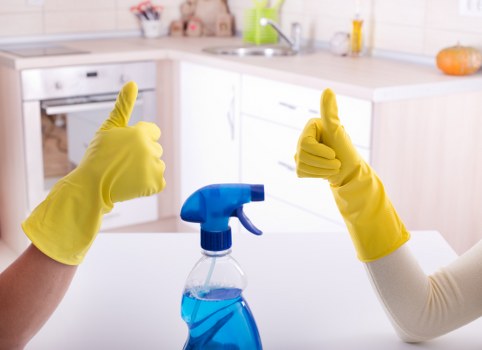 PPE, or personal protective equipment, is another key part of our safety culture. Depending on the nature of the task, this may include helmets, gloves, high-visibility clothing, protective eyewear, masks, or safety footwear. We ensure that the correct PPE is selected for the activity being performed and that it is worn and maintained properly. PPE is not a substitute for safe methods, but it provides an important extra layer of protection when risks cannot be removed entirely. In a strong insurance and safety framework, PPE supports both individual wellbeing and overall site control.
Alongside training and equipment, our risk assessment process is designed to identify hazards before work starts. We review the site, the task, the people involved, and any environmental factors that could create danger. Once hazards are identified, we assess the level of risk and decide what measures are needed to reduce it to an acceptable level. This may involve changing a method, isolating an area, using different tools, or adjusting the sequence of work. Careful risk assessment is at the heart of responsible safety planning because it turns awareness into action.
The risk assessment process is not a one-time exercise. Conditions can change quickly, so we regularly review controls throughout the job. If new hazards appear, the plan is updated immediately. This flexible approach is especially important when working in busy, changing, or shared spaces. By revisiting hazards and controls as work progresses, we strengthen our overall insurance and safety measures and help prevent avoidable incidents. It is this combination of preparation and review that keeps projects on track while protecting those involved.
Good housekeeping also supports safety. Keeping work areas tidy, storing materials correctly, and removing waste promptly all help reduce slips, trips, and other common hazards. Clear access routes and organised work zones make it easier for staff to move safely and complete tasks efficiently. When these everyday practices are combined with strong public liability insurance and reliable supervision, the result is a more secure and professional working environment. Safety is therefore not limited to major procedures; it is built into the small actions that happen throughout the day.
Communication is another essential part of our safety standards. Team members are encouraged to report concerns, ask questions, and raise any issue that could affect wellbeing or the quality of work. Clear communication ensures that everyone understands the plan, the risks, and the precautions in place. This shared responsibility makes the insurance and safety process more effective because problems can be addressed early rather than after an incident occurs. A culture of openness helps strengthen trust, reduce confusion, and maintain a safer site from start to finish.
 We also recognise that different tasks may require different levels of control. For example, work at height, handling heavy materials, or operating equipment each introduces its own hazards. In these situations, additional precautions are introduced to support the wider safety plan. This may mean using specialist equipment, limiting access, or increasing supervision. The goal is always the same: to reduce exposure to risk while maintaining a high standard of workmanship. By adapting our methods to the task, we keep our insurance and safety practices practical and effective.
Ultimately, our commitment to safety is built on accountability, preparation, and care. Public liability insurance protects against unexpected events, staff training gives people the knowledge to work safely, PPE provides essential personal protection, and the risk assessment process ensures that hazards are identified and managed properly. Together, these measures form a reliable system that supports safer outcomes and greater confidence. When insurance and safety are treated as priorities rather than afterthoughts, everyone benefits from a more organised, responsible, and secure service.
 By maintaining high standards in every area, we continue to strengthen our insurance and safety approach and deliver work with care, discipline, and attention to detail. This commitment helps protect people, reduce avoidable disruption, and ensure that every project begins and ends with safety at the forefront.