Upholstery Cleaning in Modern Homes: A Practical, Fresh, and Lasting Approach
Upholstery cleaning is one of those home care tasks that often gets overlooked until a sofa starts looking dull, a dining chair develops a stain, or a favorite armchair begins to hold onto odors. Yet regular upholstery cleaning plays a major role in keeping interiors fresh, healthy, and visually appealing. Whether you are maintaining a family couch, a fabric loveseat, office seating, or a delicate accent chair, the right cleaning approach can extend the life of your furniture and improve the comfort of your space.
People searching for upholstery cleaning usually want more than just a quick surface wipe. They want a solution that removes dirt, dust, allergens, pet hair, stains, and lingering smells without damaging the fabric or padding underneath. That is why understanding the basics of upholstery cleaning is so valuable. With the right methods, you can protect your furniture investment and enjoy a cleaner environment day after day.
In homes, apartments, workplaces, hospitality spaces, and rental properties, upholstery cleaning supports both appearance and hygiene. Fabrics trap oils, dust, and airborne particles over time, and those contaminants can affect indoor air quality and comfort. A consistent upholstery cleaning routine helps furniture stay brighter, softer, and more inviting, while also reducing the buildup that can make seating look tired before its time.
Why Upholstery Cleaning Matters for Every Space

One of the most important reasons to prioritize upholstery cleaning is that upholstered items are used constantly. Sofas, recliners, cushions, office chairs, and headboards absorb everyday wear that quickly adds up. Spilled drinks, food crumbs, body oils, dust, and pet dander settle into the fibers and become increasingly difficult to remove if left untreated. Regular upholstery cleaning helps prevent this buildup from becoming deeply embedded.
Another major benefit is the impact on indoor air quality. Fabric furniture can act like a soft filter, capturing dust, pollen, and other fine particles from the air. Over time, those particles may be released back into the room whenever someone sits down or shifts the cushions. Proper upholstery cleaning supports a cleaner and more comfortable living or working environment, especially for households with children, pets, or allergy sensitivities.
There is also a visual benefit that should not be underestimated. Clean upholstery instantly improves the look of a room. Even the most stylish furniture can appear neglected when it has marks, fading from grime, or uneven discoloration. With routine upholstery cleaning, colors look more vibrant, textures feel fresher, and the entire space feels more cared for.
Understanding Different Upholstery Materials
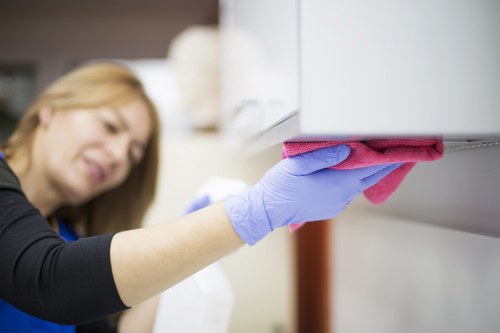
Before starting any upholstery cleaning project, it is essential to know what type of material you are dealing with. Different fabrics respond differently to moisture, heat, detergent, and agitation. A method that works beautifully on synthetic microfiber may not be suitable for silk, velvet, or certain natural fibers. Choosing the right upholstery cleaning method starts with understanding the fabric type.
Common upholstery materials include cotton, linen, polyester, microfiber, leather, suede, wool blends, and performance fabrics. Each one has strengths and limitations. For example, microfiber is often resilient and relatively easy to clean, while delicate materials may require gentler care. Leather needs conditioning as well as cleaning, and some materials may only allow solvent-based or dry-cleaning style treatment.
Checking the manufacturer’s care label is a smart first step. Many pieces include codes that help determine the safest upholstery cleaning method:
- W means water-based cleaning is generally safe.
- S means solvent-based cleaning is recommended.
- WS means both water and solvent methods may be used carefully.
- X means vacuuming or light brushing only; professional care is often advised.
When in doubt, testing a small hidden section is always wise before applying any product across the entire surface. This simple step can prevent discoloration, water rings, or texture damage. Effective upholstery cleaning begins with caution, especially when dealing with specialty fabrics or older furniture pieces.
Common Upholstery Cleaning Challenges

Stains are one of the most obvious reasons people seek upholstery cleaning, but they are far from the only issue. Some furniture develops a general gray cast from dust and body soil, while other pieces carry persistent odors from pets, smoke, cooking, or moisture. These issues often build slowly, making them easy to ignore until they become noticeable.
Another challenge is the structure of upholstered furniture. Unlike a hard surface, fabric couches and chairs often contain multiple layers, including foam, batting, springs, and webbing. That means liquid spills can travel deeper than expected. If a stain is cleaned improperly, moisture may spread below the visible surface and create rings, odors, or even mildew. This is why precise upholstery cleaning methods matter.
There is also the issue of everyday wear in high-traffic zones. Armrests, seat edges, headrests, and back cushions tend to collect more oils and dirt because they are touched frequently. These contact points often show the first signs of aging. Routine upholstery cleaning can slow that process and help the entire piece wear more evenly over time.
Some of the most common upholstery problems include:
- Food and beverage stains
- Pet hair and odors
- Dust and allergens trapped in fibers
- Grease and body oils on armrests and headrests
- Water rings and moisture marks
- Fading from sun exposure and dirt accumulation
Professional Upholstery Cleaning vs. DIY Methods
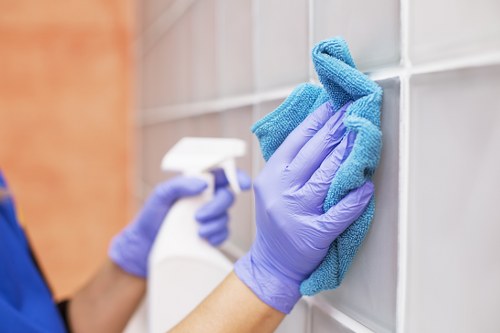
Many homeowners begin with DIY upholstery cleaning because it feels convenient and cost-effective. For light maintenance, that can absolutely work. Vacuuming, spot treatment, and gentle fabric-safe cleaning sprays can help keep furniture presentable between deeper cleanings. However, DIY methods have limitations, especially when dealing with old stains, fragile fabrics, large furniture pieces, or deeply embedded dirt.
Professional upholstery cleaning offers more powerful equipment, targeted products, and experience with different materials. Technicians typically know how to identify fabric types, select the right cleaning process, and control moisture so the upholstery dries properly. This reduces the risk of damage and can deliver a more thorough result than household tools alone.
DIY upholstery cleaning may be suitable for:
- Fresh spills that are addressed immediately
- Routine vacuuming and dust removal
- Small surface spots on durable fabric
- Light odor control between professional services
Professional upholstery cleaning is often best for:
- Set-in stains and heavy soil
- Delicate or specialty fabrics
- Pet odor and allergen removal
- Large sectional sofas or multiple furniture pieces
- Furniture that has not been cleaned in years
In many cases, the best solution is a combination of both. Use simple home maintenance to keep furniture fresh, then schedule professional upholstery cleaning periodically for a deeper reset. This balanced approach supports both appearance and longevity.
How Upholstery Cleaning Is Typically Done

The exact upholstery cleaning process depends on the material, condition, and type of soil present, but several steps are commonly used. A careful provider will usually start with inspection, identifying fabric type, stains, wear patterns, and any areas that need special treatment. This initial assessment helps determine the safest and most effective cleaning method.
Vacuuming is usually the next step. This removes loose dust, crumbs, hair, and debris from the surface and crevices. It is a simple yet essential part of upholstery cleaning because it prevents dry particles from turning into mud once cleaning agents or moisture are applied. Crevice tools, brush attachments, and upholstery nozzles can all make a noticeable difference.
After vacuuming, spot treatment may be applied to visible stains. The product used depends on the nature of the stain and the fabric. Protein-based stains, oily stains, dye transfer, and tannin stains each respond differently. Professional upholstery cleaning often involves specialized stain-lifting solutions that are far more effective than generic household sprays.
The main cleaning method may include one or more of the following:
- Hot water extraction for deep cleaning of suitable fabrics
- Low-moisture cleaning for fabrics that should not be saturated
- Dry cleaning methods for delicate or moisture-sensitive materials
- Encapsulation for some synthetic fabrics and maintenance programs
Finally, drying is critical. Good upholstery cleaning should leave furniture clean without excessive dampness. Faster drying helps prevent odor, mildew, and lingering moisture problems. Air movement, ventilation, and controlled humidity all support better results.
Benefits of Regular Upholstery Cleaning
Routine upholstery cleaning offers benefits that go well beyond appearance. It can help extend the usable life of your furniture, reduce allergens, and make everyday living more pleasant. For families, that can mean a more comfortable place to relax. For businesses, it can mean a polished and professional look for customers, clients, or visitors.
One major advantage is cost savings over time. Replacing furniture is expensive, and upholstery cleaning can delay that expense by keeping items in better condition. Dirt acts like sandpaper on fabric fibers, gradually wearing them down. Removing that buildup helps preserve the strength and appearance of the material.
Another benefit is odor control. Upholstered items can hold onto smells from food, pets, smoke, and moisture. Regular upholstery cleaning helps neutralize those odors rather than simply masking them. This is especially useful in smaller spaces where smells can linger longer.
Health and comfort improvements
Upholstery cleaning is especially useful for people who want a healthier indoor environment. Dust mites, allergens, and bacteria can collect in upholstered surfaces. While furniture will never be sterile, proper cleaning can reduce the buildup that contributes to discomfort. That makes a room feel fresher and more pleasant to spend time in.
Comfort also improves when furniture is clean. Sitting on a fresh sofa or chair feels better than settling into a dusty, sticky, or odorous surface. That simple improvement can change how inviting a room feels for everyday use, guests, or employees.
Signs it is time to clean upholstery
It is not always easy to tell when upholstery cleaning is overdue, but certain signs are clear indicators. Look for visible stains, darkened armrests, unpleasant odors, increased allergy symptoms, or fabric that looks flat and lifeless. If vacuuming no longer restores freshness, deeper cleaning is likely needed.
Common signs include:
- Uneven color or dullness
- Noticeable odors after use
- Visible spots or drink marks
- Excess pet hair or embedded dust
- Furniture that feels grimy to the touch
How often should upholstery cleaning be done?
The ideal frequency depends on how the furniture is used. A busy family living room may need upholstery cleaning more often than a rarely used guest room. As a general rule, many homes benefit from deep upholstery cleaning every 12 to 18 months, while high-traffic or pet-friendly households may need service sooner. Office and commercial settings may require a different schedule based on foot traffic and usage.
Light maintenance should happen far more often. Weekly vacuuming and immediate stain treatment can make a major difference. When handled consistently, upholstery cleaning becomes much easier and more effective.
Simple maintenance habits
Good habits support better results between deep cleanings. These small actions are easy to adopt and can protect your upholstery investment:
- Vacuum seats, backs, and crevices regularly
- Rotate cushions where possible
- Address spills immediately with a clean cloth
- Avoid harsh rubbing, which can spread stains
- Keep furniture away from direct sunlight when possible
- Use throw covers or fabric protectors on high-use items
Choosing the Right Upholstery Cleaning Approach
Selecting the best upholstery cleaning method depends on a few factors: fabric type, stain severity, furniture age, and how much moisture the material can tolerate. There is no single solution that fits every situation. What matters most is matching the process to the upholstery itself.
For durable synthetic fabrics, low-moisture or hot water extraction cleaning may work very well. For delicate materials, a gentler approach is safer. Leather furniture, in particular, needs cleaning products made specifically for that surface, followed by conditioning to maintain suppleness. A thoughtful upholstery cleaning approach avoids over-wetting, which can cause shrinking, spotting, or texture changes.
Homeowners should also consider the surrounding environment. In humid climates, faster-drying cleaning methods may be better than techniques that leave excessive moisture behind. In households with pets and children, odor removal and sanitization may be especially important. A custom upholstery cleaning plan is usually more effective than a one-size-fits-all method.
Key factors to consider:
- Fabric type and care code
- Age and condition of the furniture
- Type of stains or odors present
- Drying time and ventilation
- Whether the piece is delicate or heavily used
Why stain prevention matters
Prevention is always easier than remediation. Using fabric protectors, cleaning spills quickly, and limiting food or drink on certain furniture pieces can reduce the need for intensive upholstery cleaning. While accidents are inevitable, a prevention-focused routine helps your furniture stay in better shape longer.
That said, even well-protected upholstery still needs regular attention. Dirt, oils, and invisible residues accumulate gradually. A proactive upholstery cleaning schedule keeps those small issues from becoming major ones later.
Upholstery Cleaning for Homes, Offices, and Rentals
Although many people associate upholstery cleaning with living room sofas, the need extends far beyond residential settings. Offices rely on clean chairs and reception furniture to make a professional impression. Rental properties benefit from cleaner furnishings that are more appealing to tenants and easier to maintain between occupants. Hospitality spaces also depend heavily on upholstery cleaning to keep guest areas looking polished and welcoming.
In the home, upholstery cleaning supports everyday comfort. In the office, it contributes to a neat and organized image. In rentals or shared spaces, it can help reduce complaints about odors, stains, or visible wear. No matter the setting, clean upholstery reflects care and attention to detail.
For property managers and business owners, scheduling regular upholstery cleaning can also protect assets. Furniture in waiting rooms, lounge areas, conference spaces, and guest accommodations is often expensive to replace. Keeping it in good condition helps maximize return on investment and improves the experience of everyone who uses the space.
What to Expect from a Quality Upholstery Cleaning Service
A good service should begin with clear communication and a careful inspection. The team should identify the upholstery material, discuss problem areas, and explain the method they plan to use. This transparency matters because upholstery cleaning is not just about making fabric look better; it is about protecting the structure and finish of the item as well.
Look for providers who use fabric-safe solutions, appropriate equipment, and controlled moisture levels. They should also be prepared to handle different stains and explain realistic expectations. Some stains can be greatly improved but not completely erased, especially if they are old or have already been treated incorrectly. Honest expectations are a sign of professional upholstery cleaning practice.
A reliable service often includes:
- Initial inspection and fabric identification
- Vacuuming and debris removal
- Targeted stain treatment
- Appropriate deep cleaning method
- Drying support and aftercare advice
After the cleaning is complete, care instructions can help maintain the results. These may include drying guidance, stain response tips, and a recommended maintenance schedule. Following those steps helps your upholstery cleaning last longer and stay effective.
Final Thoughts on Upholstery Cleaning
Upholstery cleaning is one of the smartest ways to preserve the look, feel, and comfort of your furniture. It helps remove visible dirt, trapped allergens, stubborn odors, and everyday grime that can make a room feel less inviting. More importantly, consistent upholstery cleaning protects the materials you already own so they last longer and stay more attractive.
From routine vacuuming to professional deep cleaning, each step plays a part in keeping upholstered furniture in excellent shape. The right approach depends on fabric type, usage, and the specific challenges your furniture faces. By paying attention to these details, you can enjoy cleaner seating, fresher air, and a more polished interior.
If your furniture is starting to look tired, smell stale, or show signs of wear, now is the time to act. Contact us today to refresh your upholstered pieces and bring new life back into your space. Book your service now and experience the difference that expert upholstery cleaning can make.